Understanding Solar Panel Options: Leasing vs. Buying
When considering solar panel installation, one of the first decisions homeowners face is whether to lease or buy the system. Leasing allows for lower upfront costs and often includes maintenance, making it an attractive option for those who want to avoid large initial investments. On the other hand, purchasing solar panels can lead to greater long-term savings and ownership benefits, such as tax credits and increased home value.
Homeowners should evaluate their financial situation, energy needs, and long-term plans when deciding between leasing and buying. For example, a homeowner planning to stay in their home for many years might benefit more from purchasing, while someone looking for a short-term solution might prefer leasing. Additionally, understanding local incentives and financing options can greatly influence this decision.
Top Benefits of Solar Energy in Utah
Utah is known for its abundant sunshine, making it an ideal location for solar energy generation. Homeowners can significantly reduce their electricity bills and enjoy the environmental benefits of renewable energy. Furthermore, solar energy can increase property values, making it a wise investment for homeowners looking to enhance their properties.
In addition to financial savings, solar energy contributes to a sustainable future by reducing reliance on fossil fuels. Utah residents can also take advantage of state incentives and federal tax credits, which can further offset installation costs. As solar technology continues to advance, homeowners can expect even greater efficiency and affordability in their solar energy systems.
How to Choose the Right Solar Panel Installer in Utah
Selecting a qualified solar panel installer is crucial for ensuring a successful installation and optimal system performance. Homeowners should look for installers with experience, positive customer reviews, and appropriate licenses and certifications. It's also essential to obtain multiple quotes to compare pricing and services offered.
Additionally, a reputable installer should provide a thorough consultation to assess the homeowner's energy needs and offer tailored solutions. Checking for warranties and post-installation support can also help ensure peace of mind. By taking the time to choose the right installer, homeowners can maximize their investment in solar energy.
Common Mistakes to Avoid When Installing Solar Panels
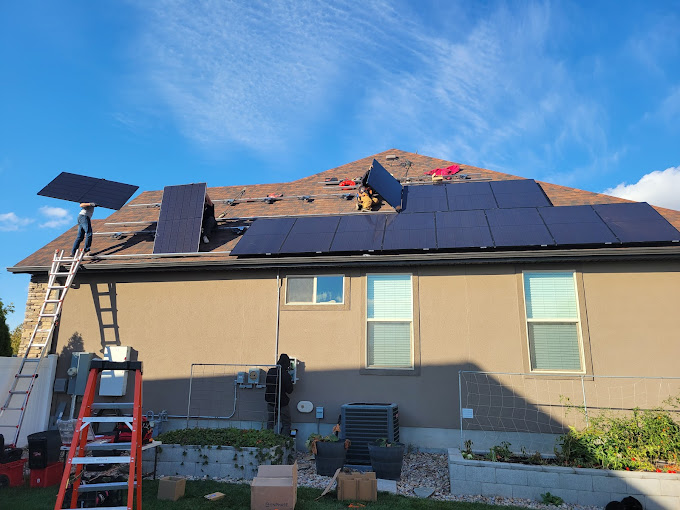
Installing solar panels can be a significant investment, and avoiding common pitfalls can save homeowners time and money. One frequent mistake is failing to conduct thorough research on the available options and incentives. Homeowners should educate themselves about different types of solar panels, financing options, and local regulations to make informed decisions.
Another mistake is neglecting to assess the property’s suitability for solar installation. Factors such as roof orientation, shading from trees, and structural integrity can impact system performance. Engaging with a knowledgeable installer can help identify these issues early and lead to a more successful installation process.