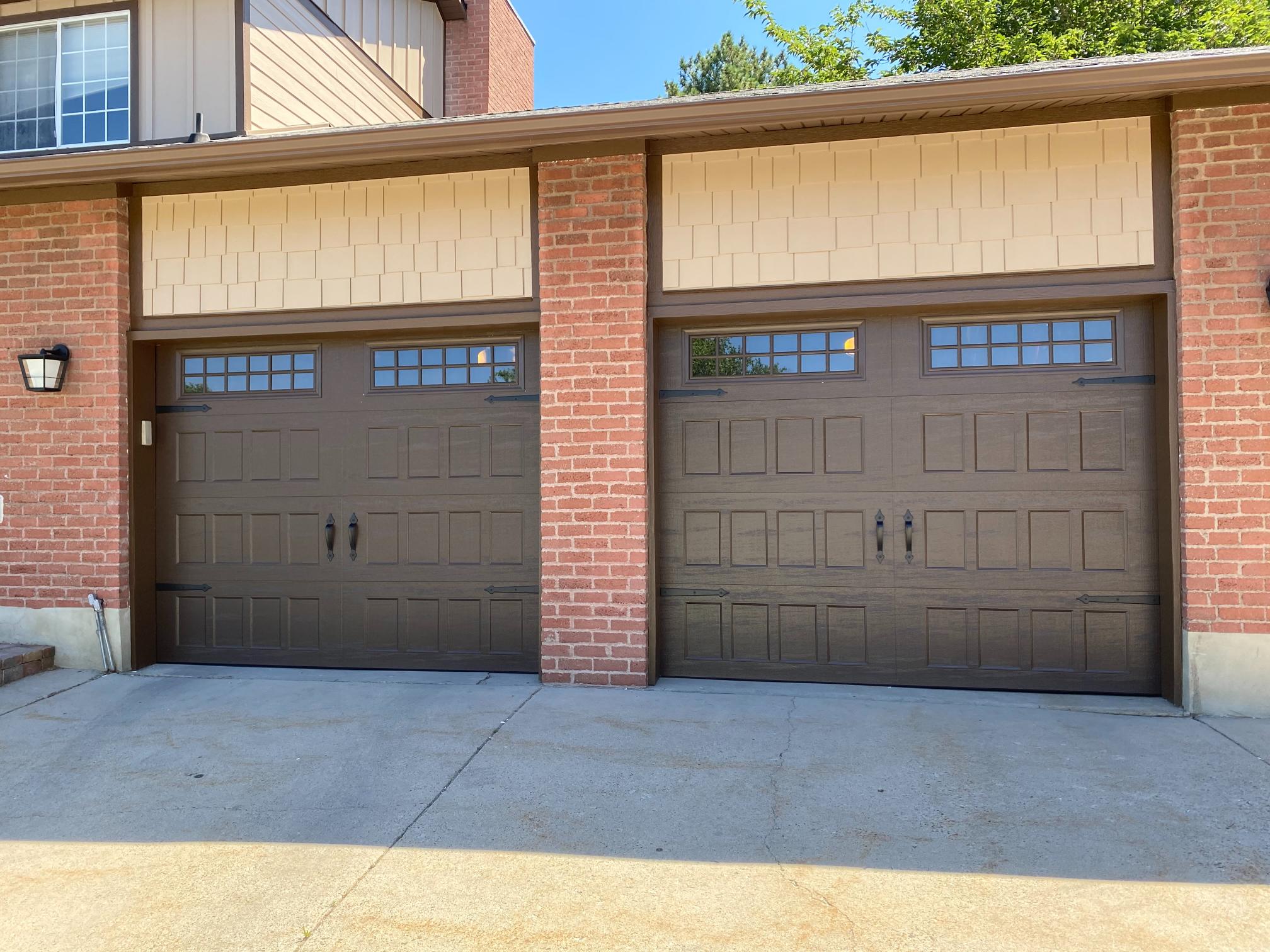
Common Garage Door Problems and Solutions
Garage doors can encounter a variety of issues, ranging from mechanical failures to electrical malfunctions. Understanding these common problems can help homeowners identify when to seek professional assistance. Typical issues include misaligned tracks, broken springs, and malfunctioning openers, each requiring specific repair techniques.
For example, a misaligned track can cause the door to jam or operate unevenly, while a broken spring can prevent the door from opening entirely. Regular maintenance and inspections can help catch these issues early, potentially saving homeowners from costly repairs and ensuring the safety and functionality of their garage doors.
Benefits of Professional Garage Door Installation
Opting for professional garage door installation offers numerous advantages, including expert knowledge, proper equipment, and warranties on both labor and materials. Professionals are trained to handle the complexities of installation, ensuring that the door operates safely and efficiently from the start.
Moreover, professional installers can provide valuable insights on the best type of garage door for your home, considering factors such as climate, style, and security needs. This tailored approach not only enhances the aesthetic appeal of your home but also maximizes the door's longevity and performance.
Garage Door Maintenance Tips
Regular maintenance is essential for prolonging the life of your garage door and preventing unexpected breakdowns. Simple tasks such as lubricating moving parts, checking the balance of the door, and inspecting the weather seals can make a significant difference in performance and durability.
Additionally, homeowners should schedule professional inspections at least once a year to catch potential issues early. This proactive approach can save money in the long run and ensure that the garage door remains a reliable entry point to the home.
Choosing the Right Garage Door Material
The material of your garage door plays a crucial role in its performance, appearance, and maintenance requirements. Common materials include steel, wood, aluminum, and fiberglass, each offering unique benefits and drawbacks that cater to different homeowner preferences and budgets.
For instance, steel doors are known for their durability and low maintenance, while wooden doors provide a classic aesthetic but may require more upkeep. Understanding the characteristics of each material can help homeowners make informed decisions that align with their needs and enhance their property's value.